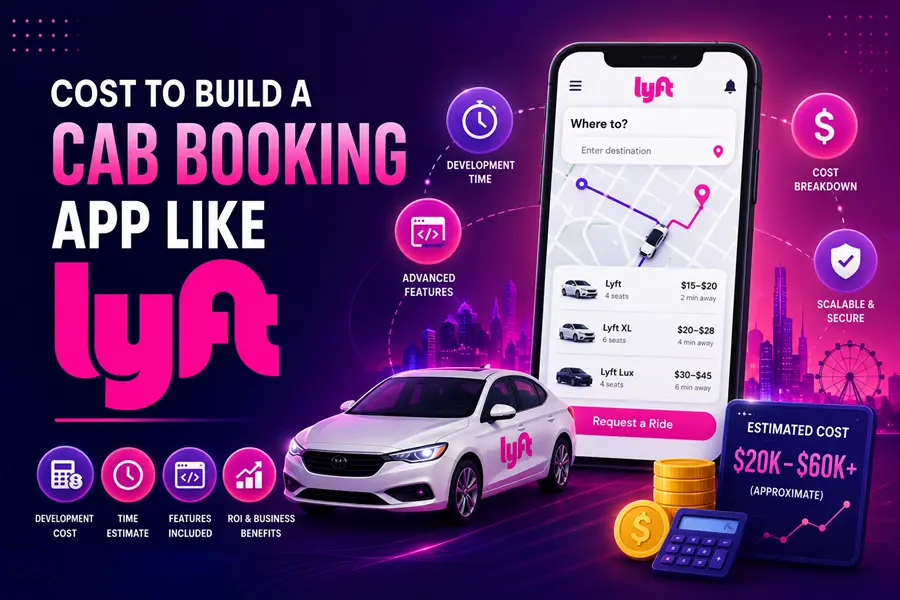
Cost to Build a Cab Booking App Like Lyft
Unlocking the Ride-Hailing Revolution In today’s fast-paced world, where convenience is king and technology reigns supreme, ride-hailing apps like Lyft have transformed the way we travel—from quick commutes to spontaneous adventures. Have you ever dreamed of launching your very own cab booking app? Whether you're an aspiring entrepreneur or a seasoned developer looking to tap into the lucrative rideshare market, understanding the costs involved in building an app like Lyft is crucial. From sleek user interfaces that entice riders to robust backend systems managing thousands of rides per minute, every aspect comes with its price tag.
In this blog post, we'll break down the essential components that contribute to the overall cost of developing a cab booking app—demystifying everything from design and development to marketing strategies. Buckle up as we navigate through budget estimates, must-have features, and valuable tips for creating an application that can compete with industry giants while keeping your wallet intact!
Introduction to the concept of cab booking apps like Lyft
In today's fast-paced world, convenience and efficiency are paramount. This is where cab booking apps like Lyft have revolutionized transportation. Gone are the days of hailing a taxi on the street or waiting in long lines at airports. With just a few taps on your smartphone, you can summon a ride right to your doorstep.
For entrepreneurs looking to tap into this booming market, developing a cab booking app presents an exciting opportunity. But what does it really take to bring such an app from concept to reality? From understanding user needs to navigating technical challenges, there’s much more than meets the eye.
This blog will guide you through the essentials of cab booking app development, highlighting its benefits, key features, cost factors, and tips for finding the ideal development partner. Whether you're starting small or aiming for big league status in the ride-sharing arena, let's explore what it takes to create an impactful taxi booking solution that stands out in today’s competitive landscape.
Also Read: - How Much Does Cab Booking App Development Cost in 2026?
Benefits of having a cab booking app for your business
Having a cab booking app can transform your business in numerous ways. First, it enhances customer convenience. Users appreciate the ability to book rides at their fingertips without waiting on hold or navigating through complex processes.
In addition, it allows for better operational efficiency. Automated systems streamline dispatch and reduce human error, leading to faster response times and improved service quality.
Another significant advantage is data collection. Your app can gather valuable insights into user behavior and preferences, enabling you to tailor services accordingly. This targeted approach helps in retaining customers.
Furthermore, an intuitive interface attracts users while fostering brand loyalty. A well-designed app reflects professionalism and builds trust with clients.
Lastly, integrating features like ride-sharing options not only boosts revenue but also promotes eco-friendly practices, making your business more appealing in today’s market focused on sustainability.
Different features and aspects to consider while building a cab booking app
When diving into cab booking app development, focus on user experience. A clean and intuitive interface is essential. Users should easily navigate through the app without confusion.
Safety features must also be a priority. Implement real-time tracking and an emergency button to ensure riders feel secure during their journeys.
Consider integrating multiple payment options for convenience. This flexibility can enhance user satisfaction significantly.
Driver management tools are vital too. Features like driver profiles, ratings, and feedback systems help maintain service quality.
Don’t forget about notifications. Push alerts for ride confirmations or updates keep users informed at all times.
Lastly, think about scalability from the start. Your app should adapt as your business grows and incorporates new technologies or services in the future.
Must Read: - How to Build a Cab Aggregator App for Local and Intercity Travel
Factors that affect the cost of developing a cab booking app like Lyft
The cost of developing a cab booking app like Lyft can vary widely based on several factors.
First, the complexity of features plays a crucial role. Basic functionalities such as user registration and ride scheduling will be less expensive than advanced features like real-time tracking or AI-based algorithms for route optimization.
Next, the platform you choose matters too. Developing an app for both iOS and Android will increase costs compared to focusing on just one platform.
Design elements also impact expenses significantly. A simple interface is more budget-friendly than unique, intricate designs that require extensive UX/UI work.
Lastly, geographical location affects labor rates. Hiring developers in countries with lower living costs could help reduce overall development fees while still maintaining quality service.
Cost breakdown: development, maintenance, and other expenses
When considering cab booking app development, it's essential to break down the costs involved. Development is often the most significant expense. This includes design, coding, and testing phases. Depending on complexity, this can range from $10,000 to over $100,000.
Maintenance costs follow closely behind. Regular updates and bug fixes are crucial for a seamless user experience. Expect to spend around 15-20% of your initial development cost annually on maintenance.
Don’t overlook hosting expenses either. Reliable server infrastructure ensures that your app runs smoothly without interruptions.
Marketing is another key area where funds will be allocated. Building brand awareness through advertising can take up a substantial portion of your budget in the early stages.
Lastly, legal fees should be anticipated as you navigate regulations specific to taxi services and customer data protection laws in various jurisdictions.
Also Read: - How Much Does It Cost to Develop a Cab Booking App Like Cabbazar?
Tips for choosing the right taxi booking app development company
Choosing the right taxi booking app development company is crucial. Start by assessing their portfolio. Look for projects similar to what you envision.
Client testimonials can provide insights into their reliability and expertise. Reach out to previous clients if possible, and ask about their experiences. Clear communication is essential in any partnership, especially in tech development.
Evaluate the company's technical skills. They should be proficient in various platforms and languages relevant to your project needs. A strong understanding of user experience design will enhance your app's appeal.
Consider post-launch support options as well. Ongoing maintenance ensures that your app remains functional and up-to-date with market trends.
Lastly, discuss your budget openly from the start. Transparency about costs helps avoid misunderstandings later on while ensuring you get value for your investment.
Case studies: successful examples of cab booking apps and their costs
One standout example is Uber, which revolutionized the ride-hailing industry. With its robust platform, it has expanded globally and serves millions daily. The estimated development cost was around $8 million, considering its complex features and scalability needs.
Another noteworthy player is Bolt, known for its competitive pricing and user-friendly interface. Their initial investment was approximately $6 million. This included a focus on safety measures and efficient routing algorithms.
Lyft also deserves mention as a major competitor in North America. Its comprehensive app includes unique features like shared rides and passenger ratings. Development costs were estimated at about $5 million to implement essential functionalities while ensuring smooth user experience.
These case studies highlight the diverse approaches taken by each company while underscoring the significant financial commitment required to succeed in this market.
Conclusion
Building a cab booking app like Lyft can be a significant investment. However, the potential benefits often outweigh the initial costs. With the growing demand for on-demand transportation, entering this market could yield substantial returns.
Creating a successful taxi booking app requires careful planning and execution. It's essential to consider features that enhance user experience while keeping safety and reliability at the forefront. The development process involves various stages, from design to deployment, each contributing to overall expenses.
Choosing the right taxi booking app development company is crucial in ensuring your vision comes to life efficiently. A skilled partner like Dinoustech will guide you through technical aspects and provide valuable insights into market trends.
Many businesses have thrived by tapping into this lucrative sector. Their success stories demonstrate that with proper strategy and execution, building an effective cab booking app can lead to impressive outcomes.
Investing in a taxi app isn't just about creating another platform; it's about understanding customer needs and offering convenience at their fingertips. If approached thoughtfully, venturing into cab booking app development could ultimately prove beneficial for both entrepreneurs and users alike.